


STEP 01
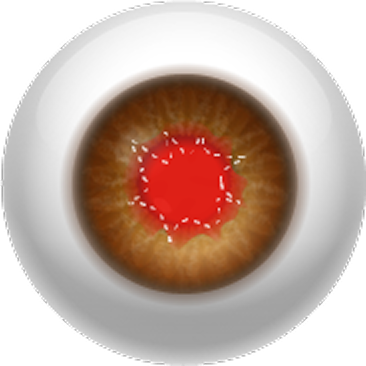
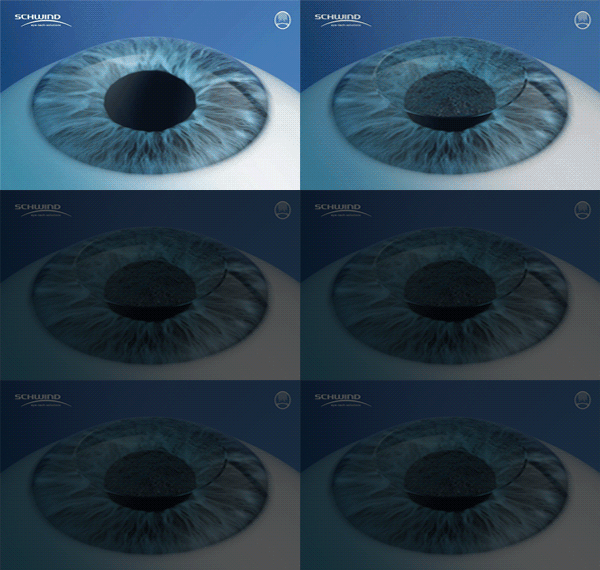
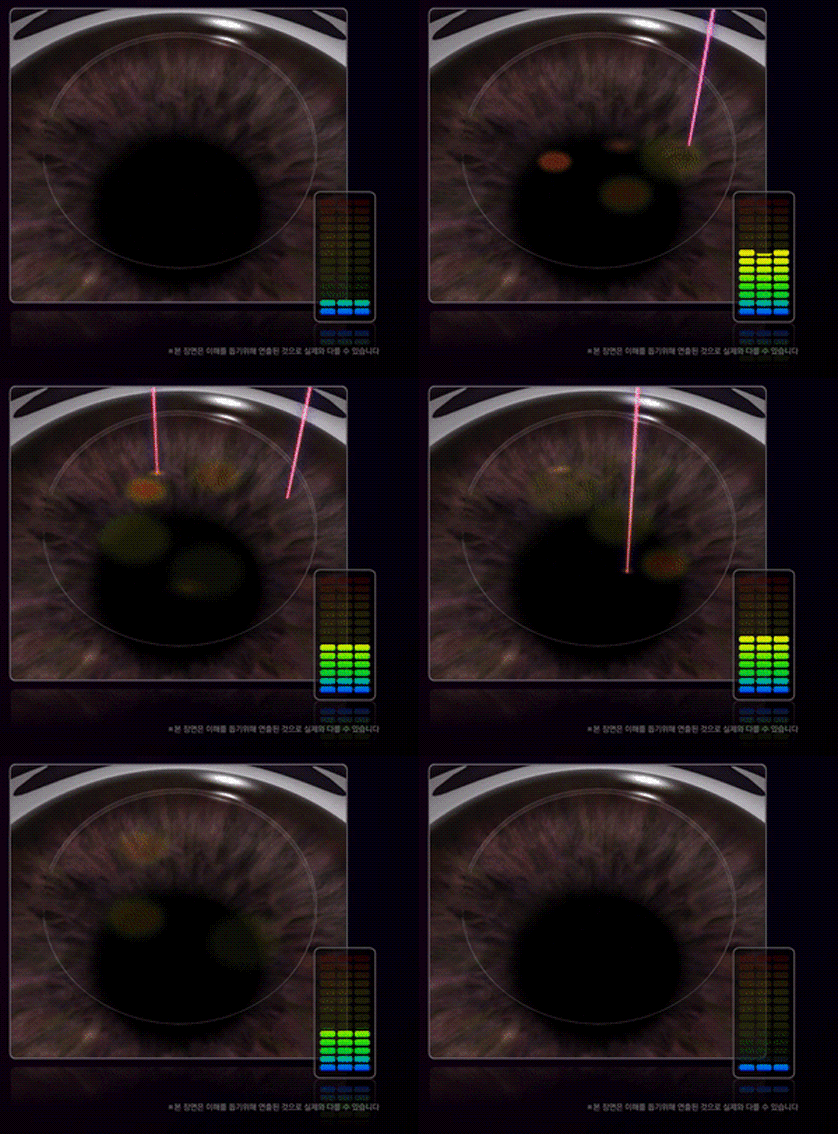
Remove corneal epithelium using laser equipment.
The One Seoul Eye Clinic is located in Sinsa Square near Sinsa Station in Gangnam-gu, Seoul. Our ophthalmology specialists provide care for retinal disease, glaucoma, cataract and presbyopia, vision correction (LASIK, LASEK, implantable lenses), pediatric myopia, and dry eye. We are about 307m from Exit 6 of Sinsa Station on the Sinbundang Line.
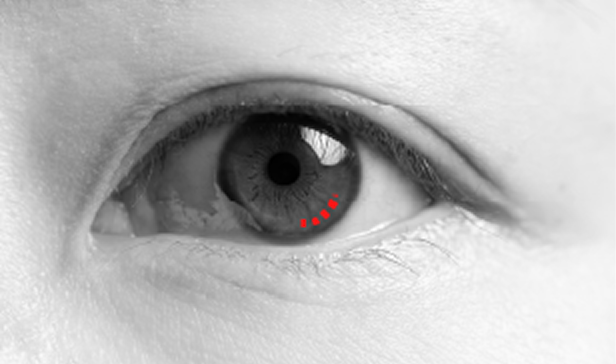
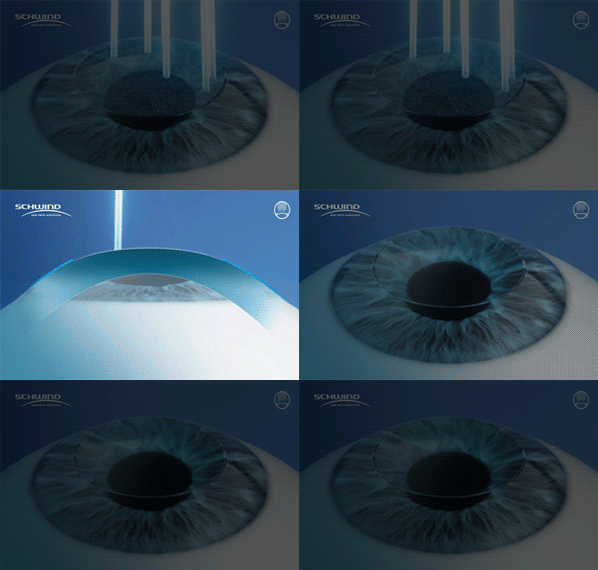
This is a next-generation LASEK method that uses the SPT Amaris equipment, a next-generation excimer laser device, to use laser throughout the entire process, removing the corneal epithelium and simultaneously cutting and correcting the stromal area at once.


[Recovery period: approximately 4-5 days]
[Recovery period: approximately 2-3 days]

SMILE LASIK
ALL LASER 2Day LASEK
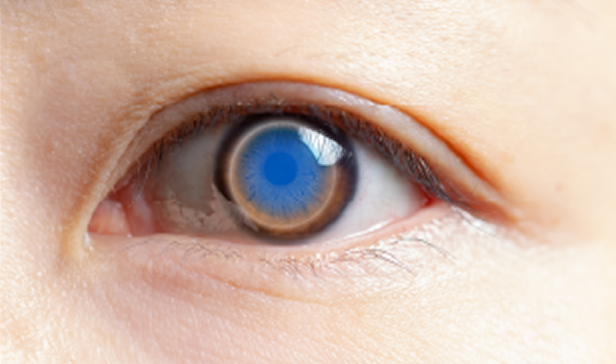
Laser removes and separates part of corneal stroma for correction
 Surgery Method
Laser from corneal epithelium to stroma
ablation and correction at once
None
 Corneal Flap
None
2-4mm
 Corneal Incision
None
1 day (incision site remains)
 Post-surgery Pain
2-3 days (recovery to pre-surgery corneal state)
Cannot select higher-order aberration options and iris tracking unavailable
 Light Glare
Higher-order aberration removal options such as wave, personal
reduce light glare
Moderate myopia, moderate astigmatism
 Correction Range
Hyperopia, high astigmatism, ultra-high myopia
Surgery results vary depending on surgeon's condition and technique
 Artificial Factors
Consistent, regardless of who performs surgery when
no difference in surgery results
Remove corneal epithelium using laser equipment.
Irradiate laser to corneal stroma area to correct vision.
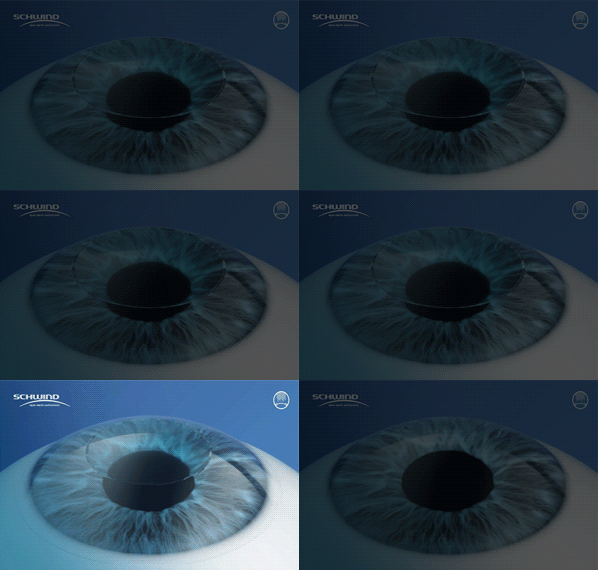
Cover with protective special lens and complete surgery.
Existing Laser
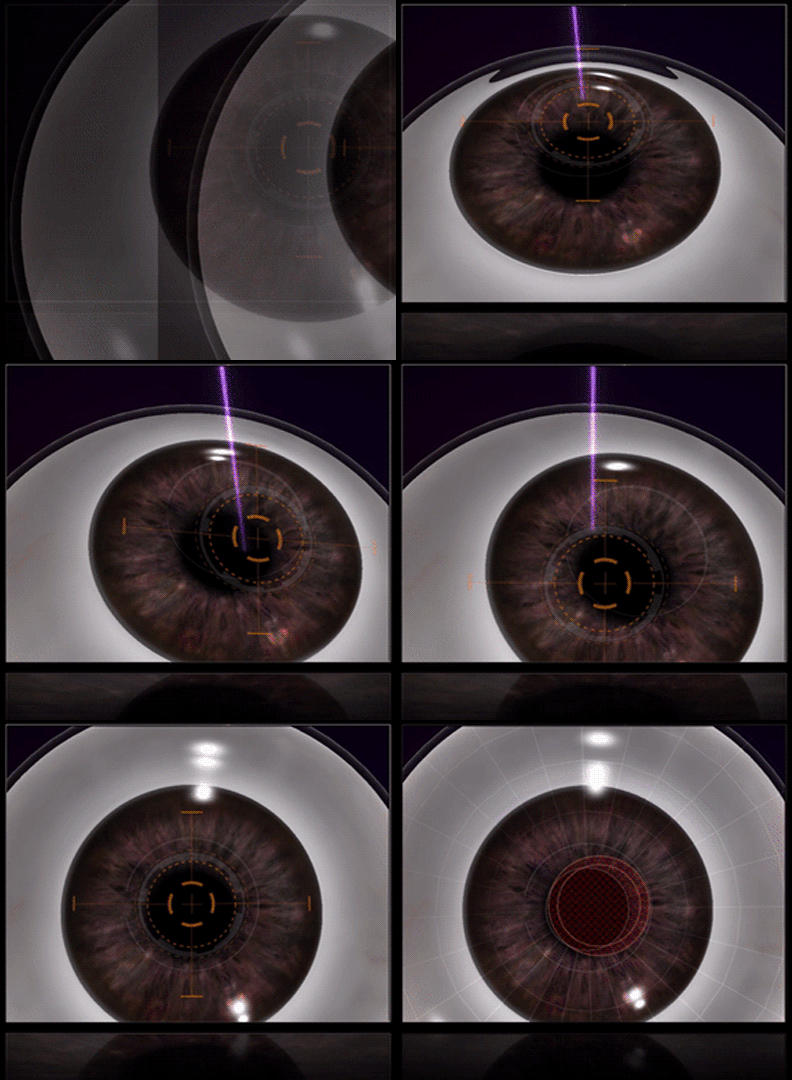
SPT UPGRADE AMARIS
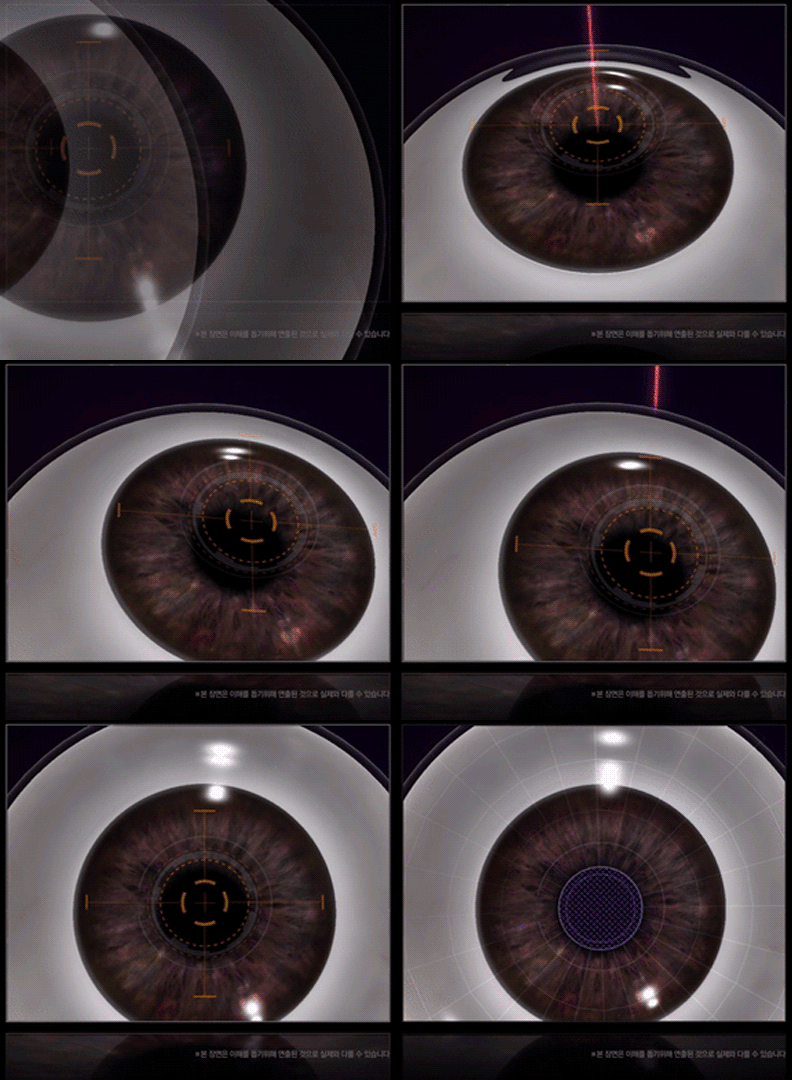

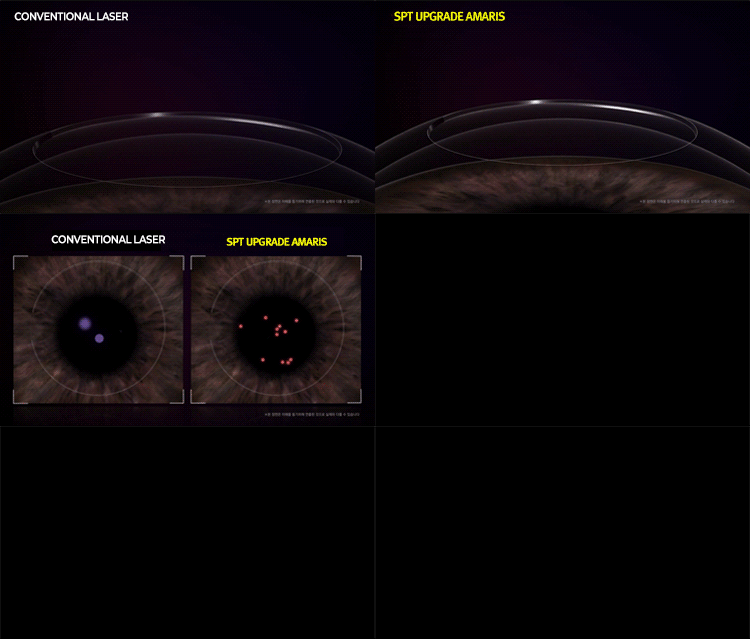
SPT UPGRADE AMARIS: World's smallest laser beam size
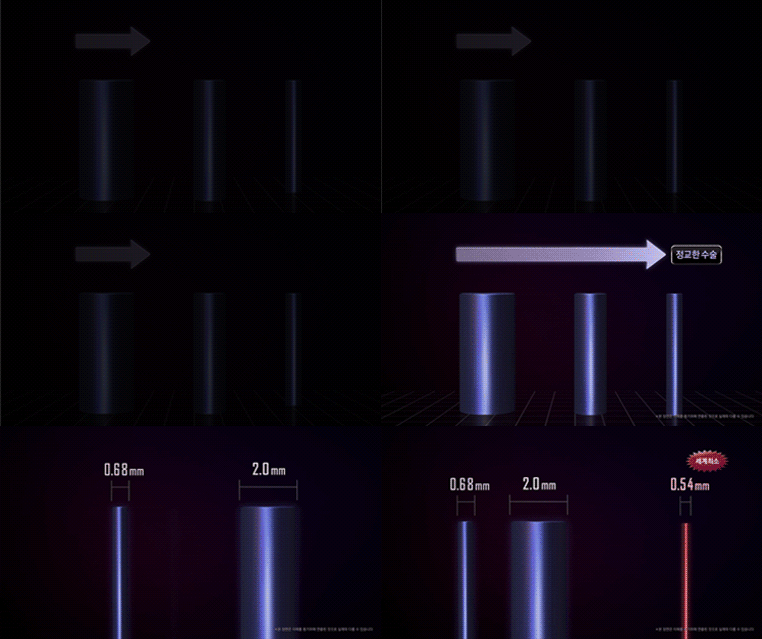
Comparison of existing laser and AMARIS laser beam sizes
Existing Laser
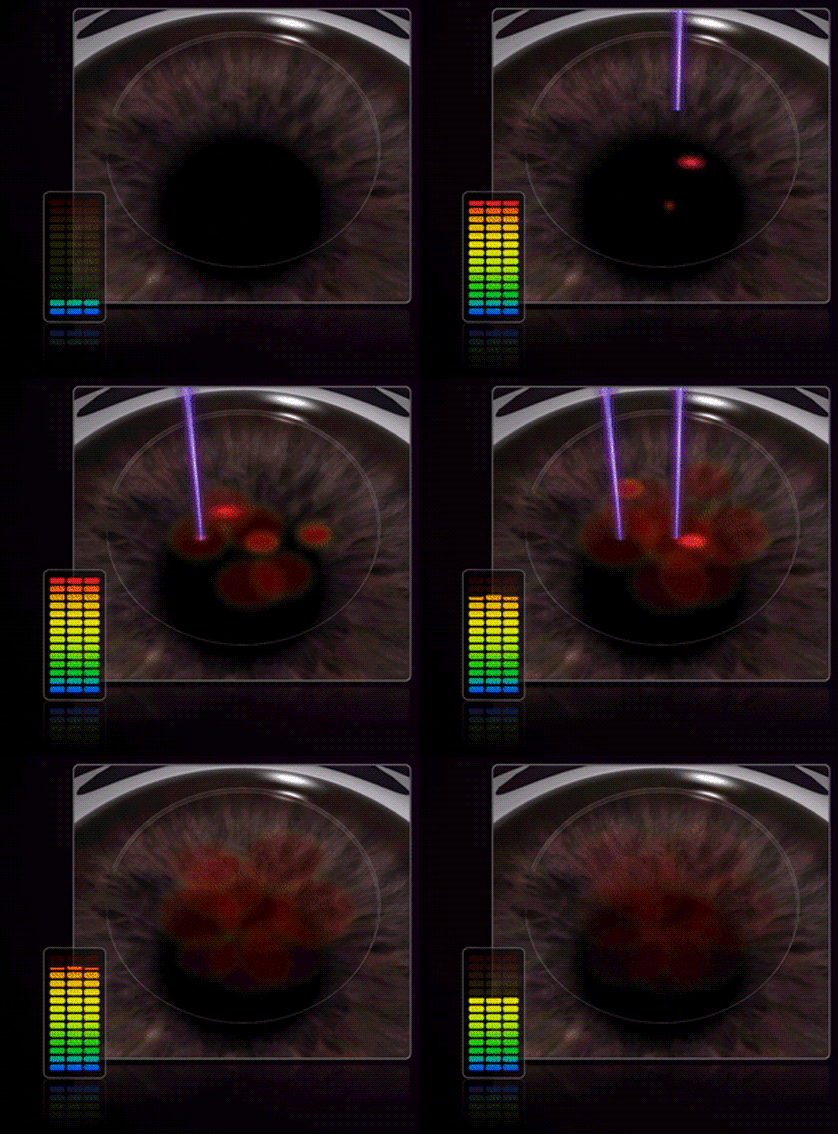
SPT UPGRADE AMARIS


 Pre-surgery Precision Examination
We conduct precise examinations of corneal condition before surgery to identify and prevent potential side effects that may occur after surgery.
 1:1 Care by Professional Medical Staff
Through 1:1 customized care by professional medical staff before and after surgery, patients can focus solely on vision correction.
 Advanced Equipment
We possess the highest-level excimer laser equipment, enabling precise and safe LASEK surgery.
 Regular Management
We conduct regular monthly visits for a total of 6 months to directly check surgical progress with the medical staff and assess the condition for continuous management.
You must stop wearing contact lenses before surgery. (Soft lenses 1 week / Astigmatism correction lenses and hard lenses 2 weeks) If corneal inflammation, corneal wounds, dry eyes, etc. accompany lens use, the corneal condition must be checked.
You must avoid alcohol before surgery.
Since surgery is performed lying on a laser bed, avoid short skirts, hooded sweatshirts with hoods, etc., and comfortable clothing is recommended.
Avoid makeup on the day of surgery and simply apply skin lotion only. If you have makeup on, you must cleanse with the provided cleansing products.
Since surgical equipment is affected by strong scents, it is recommended to avoid strong perfumes.
Since vision will be blurry immediately after surgery, it is recommended to use public transportation or taxi and be accompanied by a guardian.
Simple examinations and medication explanations before surgery, and treatment after surgery will take approximately 1 to 1.5 hours.
Visit at the scheduled time on the day of surgery.
There is no need to fast on the day of surgery, and it is recommended to inform us in advance about any medications you are taking.
After arriving at the hospital, you will receive pre-surgery ORB Scan, automatic refraction test, intraocular pressure test, etc., and then enter the operating room.
You will enter without glasses, and although vision is not clear and sharp, it is very important to focus on the light according to the attending physician's instructions.
Anesthesia is performed with eye drops during surgery. After anesthesia, you may feel a slight pulling sensation when the eyes are opened, a pressing sensation when touching the machine, or a cold sensation when something touches the eyes.
Surgery time varies depending on the method and takes approximately 10 minutes.
After surgery, you can rest with your eyes closed for 10-20 minutes in the recovery room.
After checking the eye condition, you can go home after receiving explanations about the medications you will use.
On the day of surgery, it takes approximately 1.5 to 2 hours after arriving at the hospital.
For 2-3 days after surgery, you will experience stinging, pain, foreign body sensation, and tearing. Painkillers are included in the prescribed medications, and pain-relieving eye drops can be used 1-2 drops when in pain.
It is recommended to avoid touching around the eyes for 4-5 days after surgery. When sleeping, be sure to wear the protective eye patch provided and wear the eye patch until the protective lens is removed.
The therapeutic protective lens worn immediately after surgery is used to reduce stinging and burning symptoms and is removed when the epithelium heals 3-4 days after surgery. Pain is greatly reduced after lens removal.
To avoid rubbing the eyes when washing, avoid water washing until lens removal and wipe with a wet towel. Washing is possible from the next day after lens removal, but be careful not to irritate around the eyes. Soap washing is possible 1 week after surgery, and when washing hair, a guardian should help to prevent water from entering the eyes.
For makeup, base makeup is possible after 1 week, and eye makeup after 2 weeks. Intense exercise such as fitness is possible after 3 months, and perms, hair coloring, saunas, public baths, jjimjilbangs, and alcohol are possible after 1 month.
It is recommended to wear sunglasses for about 3 months after surgery to avoid strong ultraviolet rays.
The vision recovery period after surgery is about 3-6 months. During the recovery period, you must use the prescribed eye drops and visit regularly to check vision changes.